Business Forum Held in Podgorica Focused on Business Stability Podgorica’s, Role as a Business Hub and the Digital Transformation of Public Administration
The country does not need perfect stability, does not need perfect stability, but rather a predictable and efficient system with clear rules, strong institutions,, with clear rules, strong institutions, clear rules, strong institutions, and better cooperation between the government i the business sector – this was the key message delivered at the event.
Montenegro has the knowledge, potential, and resources for stronger economic growth, but achieving the next level of development requires a predictable system, efficient public administration, stronger public-private partnerships, and a decisive digital transformation of society, it was emphasized at the event titled TBM Business Talks, held at the Hilton Podgorica Crna Gora in Podgorica.
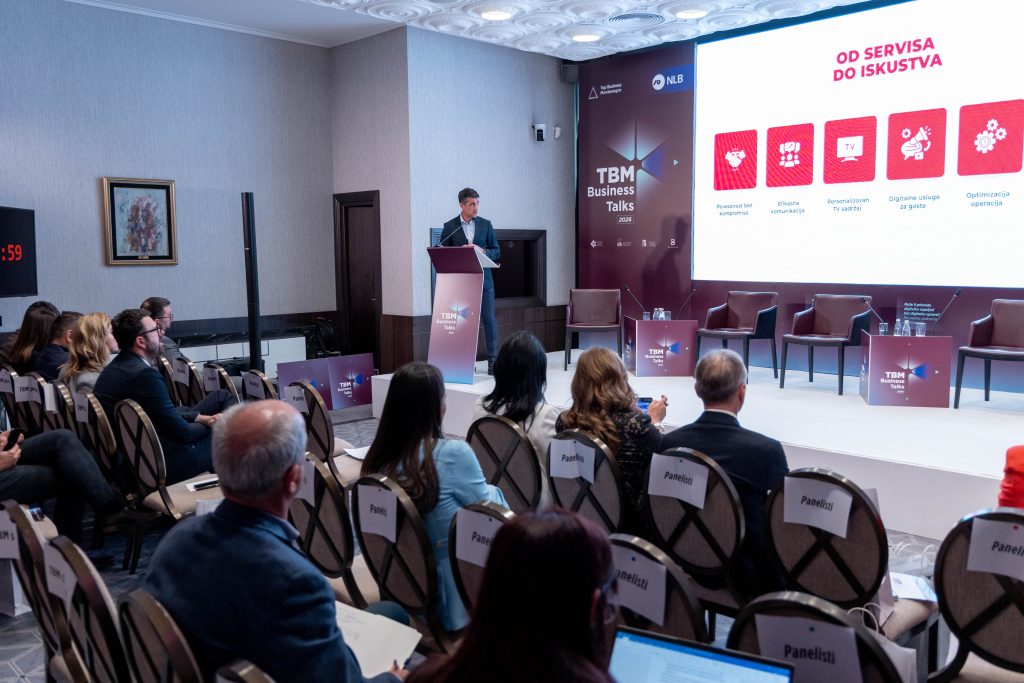
Organized by the Top Business Montenegro initiative, TBM Business Talks brought together representatives of the business community, institutions, the financial sector, and the IT community with the goal of offering concrete solutions to the most important challenges facing modern business in Montenegro through open dialogue.
The program was organized through three panels dedicated to business stability, Podgorica’s role as a business center, and the digital transformation of public administration.
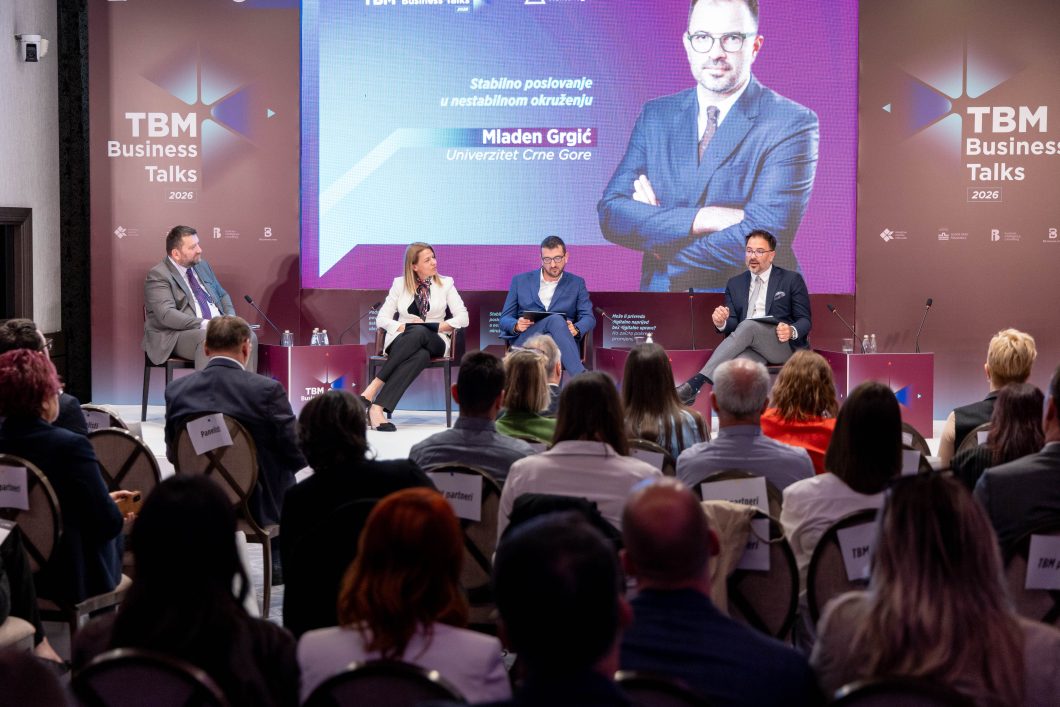
Participants in the first panel, moderated by TBM’s chief analyst and founder of BI Consulting Ratko Nikolić, included Chamber of Economy of Montenegro President Nina Drakić, Management Board member of NLB Banka and Head of the Corporate Governance Department for SMEs Marko Čelebić, as well as Mladen Grgić, associate at the Faculty of Political Sciences and former director of the Innovation Fund of Montenegro.
The panelists pointed out that Montenegro’s economy is burdened by global challenges, as well as internal issues such as political instability, the grey economy, labor shortages, inefficient administration, and frequent regulatory changes.
They emphasized that Montenegro does not need perfect stability, but rather a predictable and efficient system with clear rules, strong institutions, and stronger cooperation between the government and businesses.
It was particularly highlighted that European integration opens up a new development opportunity through access to EU funds and increased competitiveness.
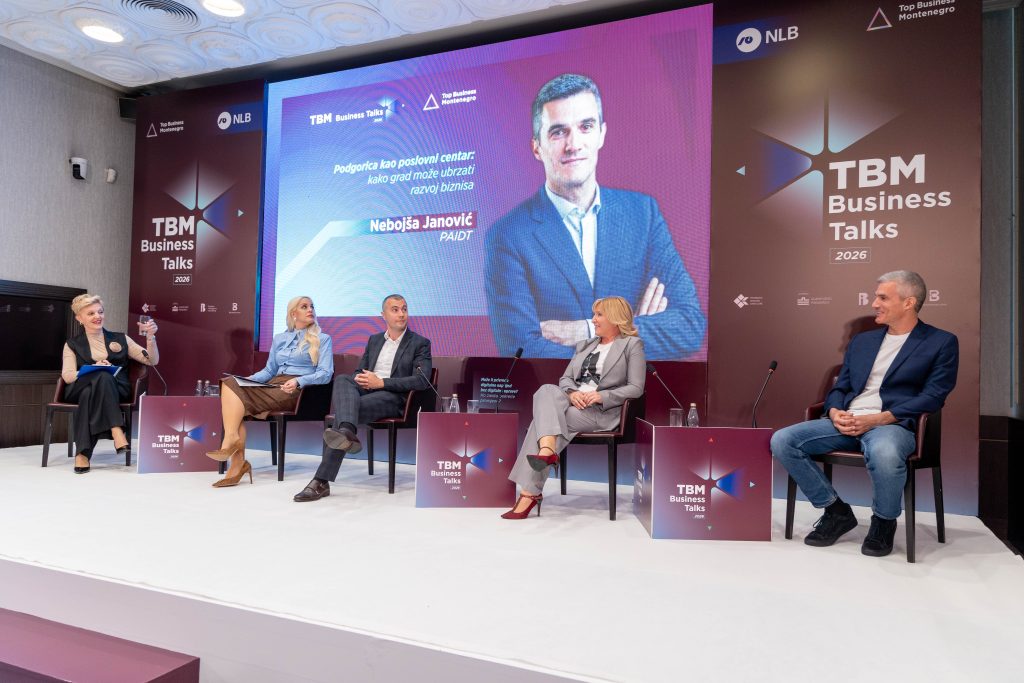
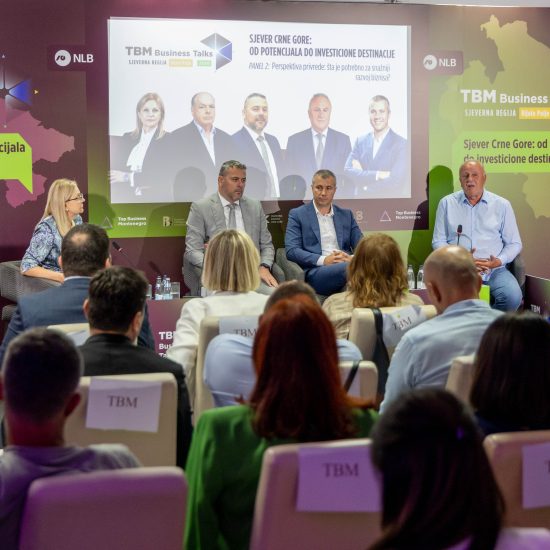
The second panel focused on the role of the Capital City in developing entrepreneurship, innovation, and supporting the local economy. Participants included Deputy Mayor of Podgorica Nađa Ljiljanić, Director of SME Client Operations within the Corporate Banking Sector at NLB Banka Ivan Bauk, Secretary of the Secretariat for Entrepreneurship Development in the Capital City Danijela Radeč, and founder of startup Paidt Nebojša Janović, moderated by Valentina Radulović, Director of the Science and Technology Park of Montenegro.
The discussion focused on transparent support programs, business financing, mentoring initiatives, strengthening women’s and green entrepreneurship, as well as the need for a “one-stop-shop” model where investors and entrepreneurs could complete administrative procedures in one place.
It was highlighted that Podgorica is already allocating significant funds to support businesses, but that the key next steps are faster procedures, better coordination between institutions, and greater readiness to utilize European funds.
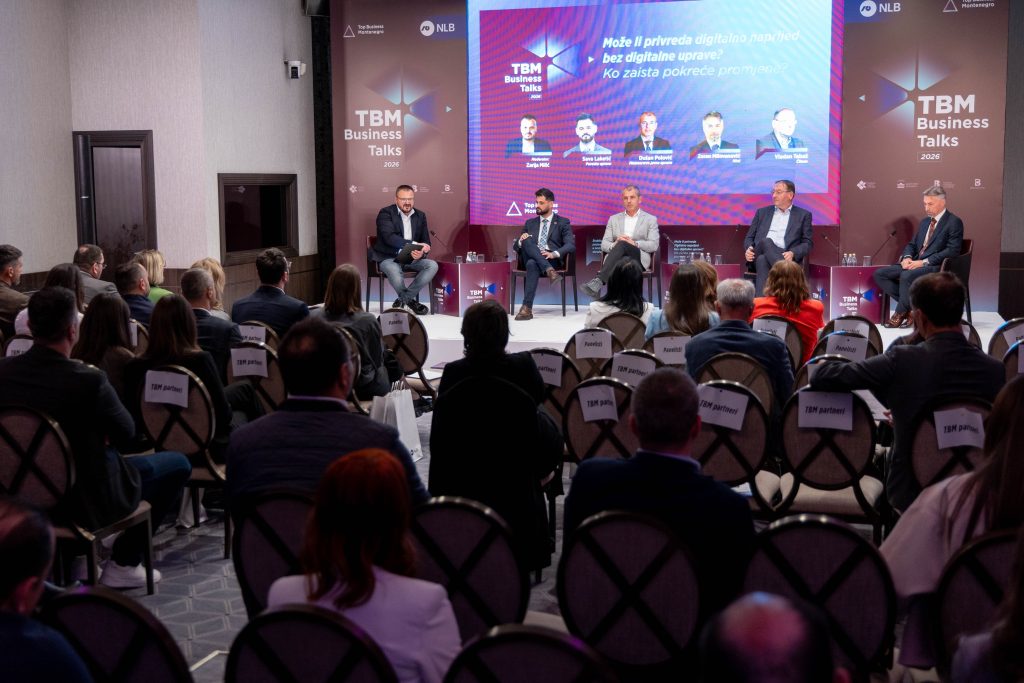
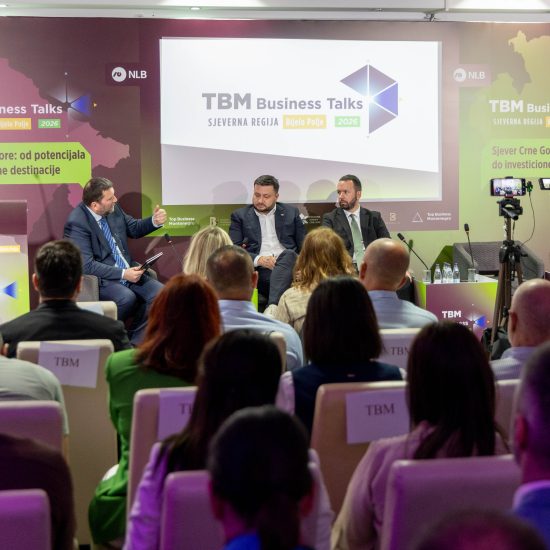
The third panel of TBM Business Talks, moderated by NLB Banka Management Board member Zarija Milić, raised the question of whether Montenegro’s economy can achieve its full potential without efficient digital governance and who should be the key driver of change. Participants included Director of the Tax Administration of Montenegro Sava Laketić, Director General of the Directorate for Infrastructure, Information Security, Digitalization, and E-Services at the Ministry of Public Administration of Montenegro Dušan Polović, Director of Čikom Vladan Tabaš, and CEO of Mtel Zoran Milovanović. They agreed that Montenegro has strong digital infrastructure, high optical network coverage, and growing e-services, but that the biggest obstacles remain slow processes, insufficient institutional cooperation, and low usage of digital services.
It was emphasized that only a small percentage of citizens use digital services, indicating the need for education, stronger promotion, and a shift in administrative culture.
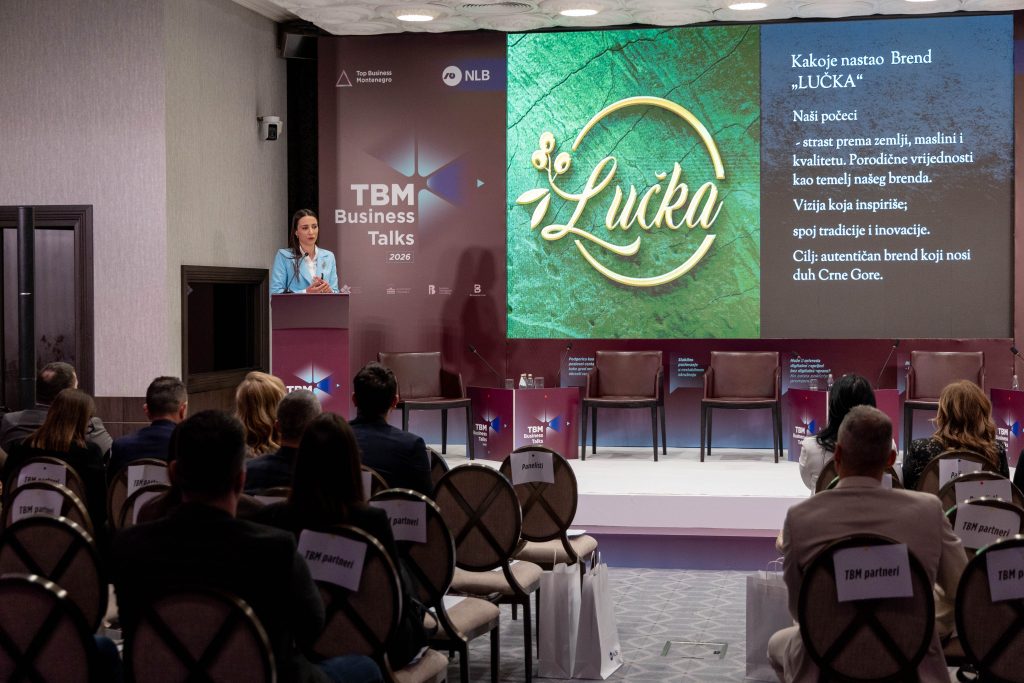
At the end of the event, as part of the “Business in Practice” segment, successful business case studies from Mtel and Lučka Olive were presented.